1. Natalia Lassalle-Morillo
En Parábola/ Conversations
on Tragedy
Part I
Exhibition
Dates: March 14 – June 23, 2024
Amant Foundation
Co-devised and co-authored in collaboration with:
Erica Ballester
Nina Lucía Rodríguez
Raquel Rodríguez
Emma Suárez-Báez
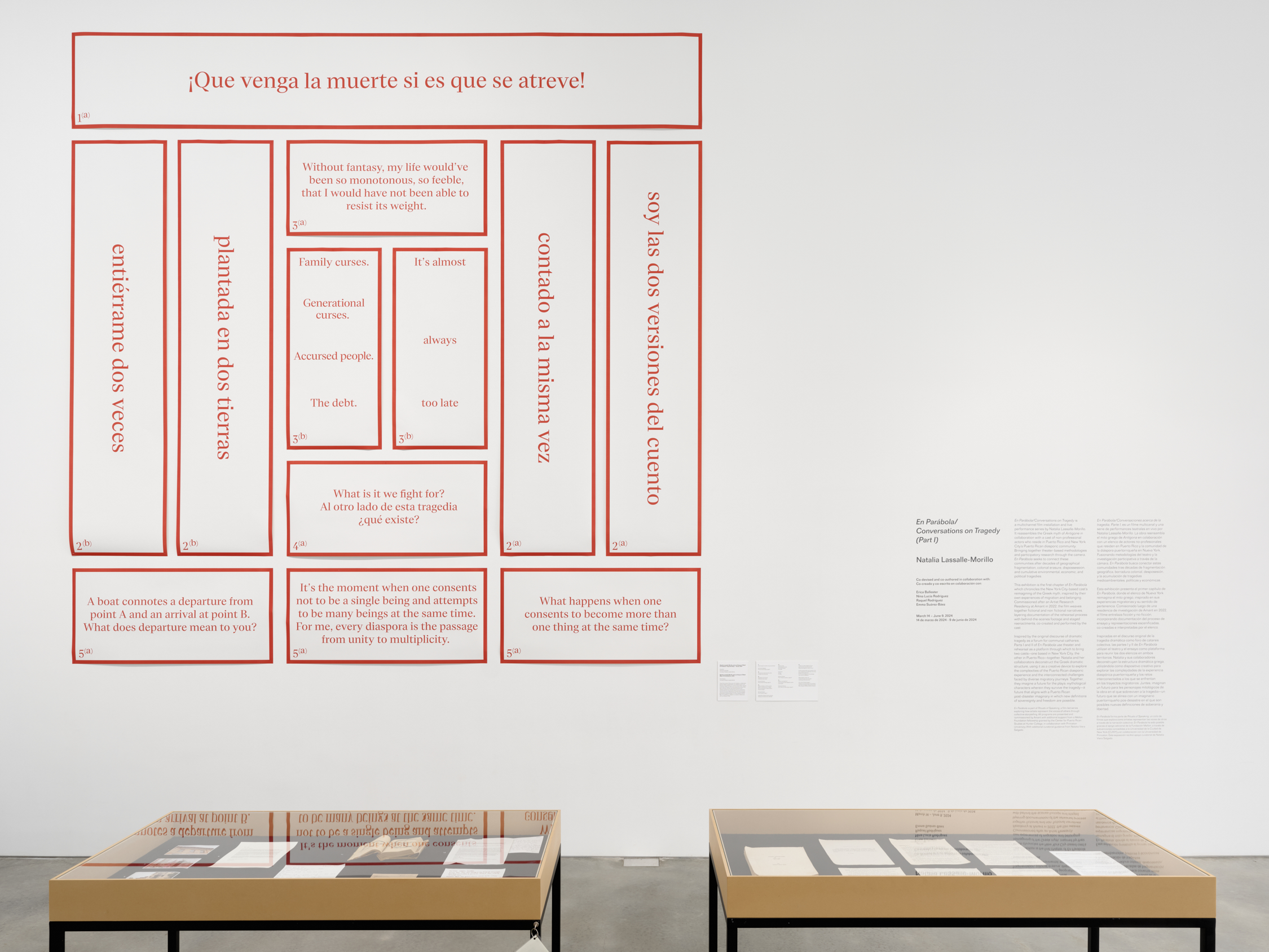
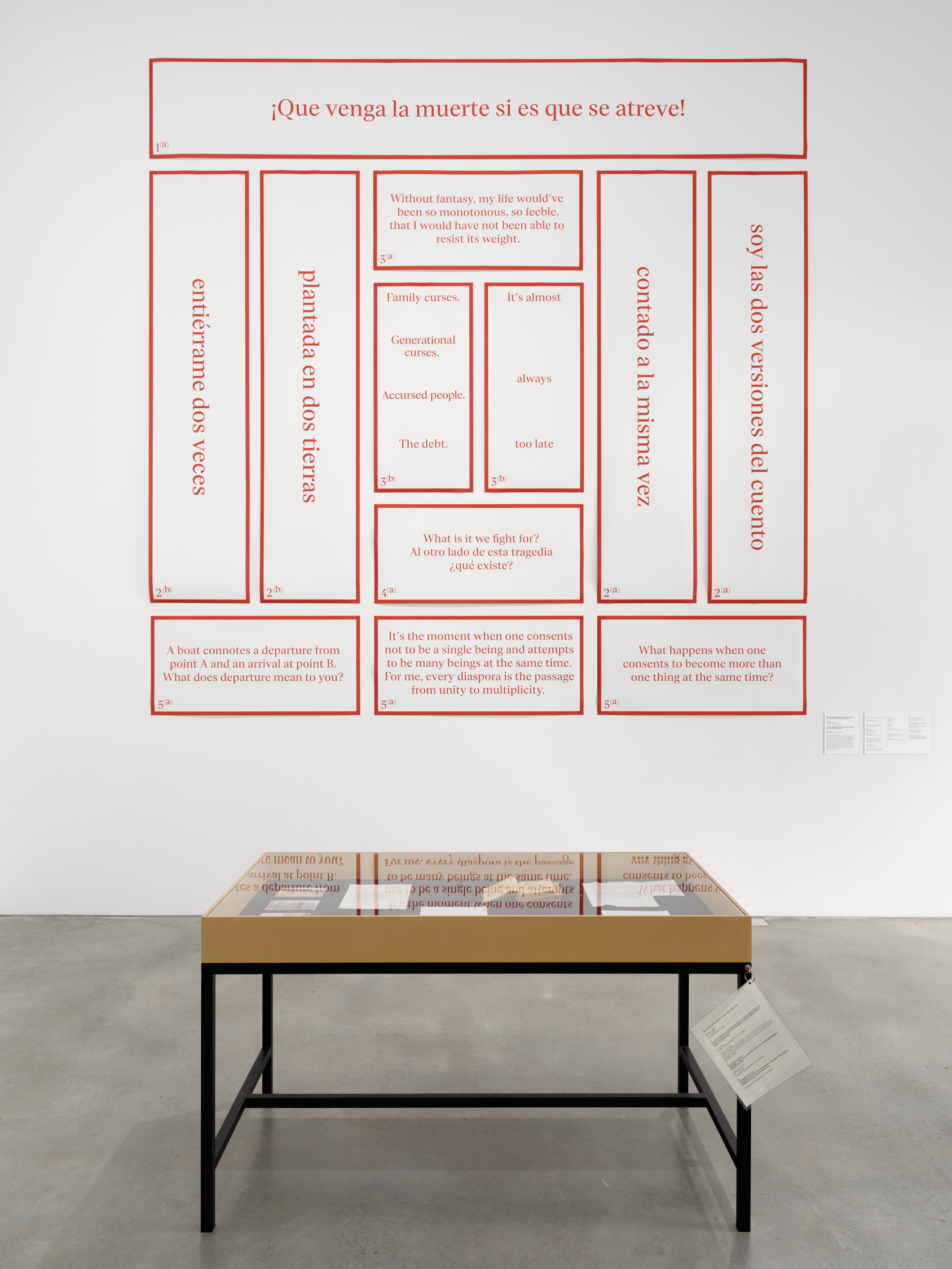
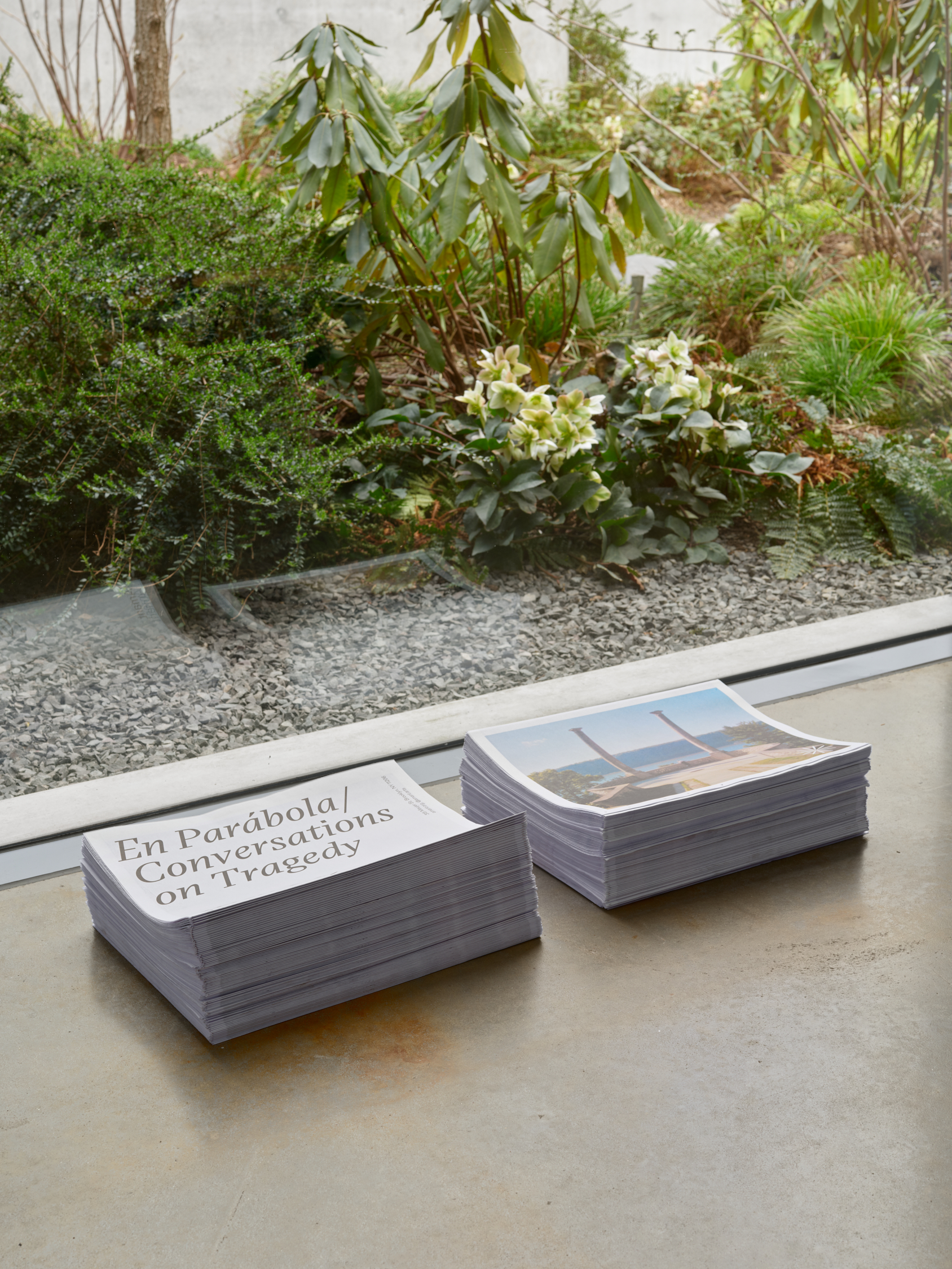
Natalia Lassalle-Morillo’s practice develops across localities and narratives, merging theatrical performance, experimental film, and participatory research. Bringing theater-based methodologies into the camera, she rehearses an alternative historiography that revises collective relationships to the past and simultaneously foregrounds the creation of new mythologies and fictions. In En Parábola/Conversations on Tragedy, Natalia reassembles the Greek myth Antigone in collaboration with a cast of non-professional actors who reside in Puerto Rico and in New York City’s Puerto Rican diasporic community. Developed through a multi-year process of collaborative theatrical rehearsal and experimental filmmaking, the work emerged through the cast’s revising, re-writing, and performing of the myth of Antigone inspired by their lived and inherited experiences of migration and belonging.
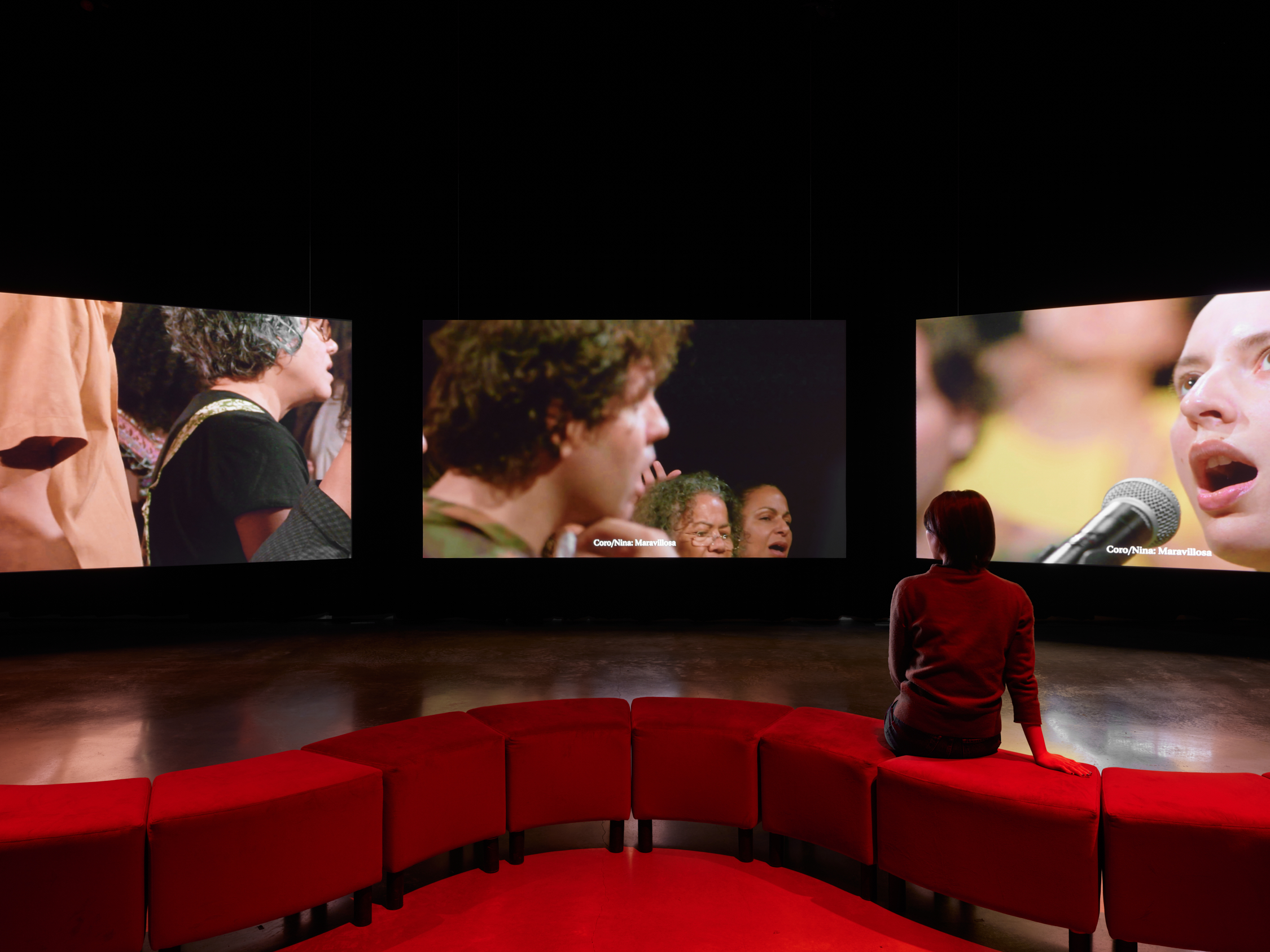
Taking the form of a multichannel film installation and a live performance series, En Parábola seeks to connect these communities after decades of geographical fragmentation, colonial erasure, dispossession, and cumulative environmental, economic, and political tragedies. This exhibition presents the first chapter of En Parábola, a multichannel film that chronicles the New York City–based cast’s reimagining of the myth of Antigone from their own perspectives. Commissioned after an Artist Research Residency at Amant in 2022, the film weaves together fictional and non-fictional narratives, layering documentation of the rehearsal process with behind-the-scenes footage and staged reenactments co-authored and performed by the cast.
Inspired by the original discourse of dramatic tragedy as a forum for communal catharsis, Parts I and II of En Parábola use theater and rehearsal as a platform through which to bring two casts—one based in New York City, the other in Puerto Rico—together. Natalia and her collaborators deconstruct the Greek dramatic structure, using it as a creative device to explore the complexities of the Puerto Rican diasporic experience and the interconnected challenges faced by diverse migratory journeys. Together, they imagine a future for the play’s mythological characters wherein they survive the tragedy—a future that aligns with a Puerto Rican post-disaster imaginary in which new definitions of sovereignty and freedom are possible.
Through participatory efforts to reshape collective memory, En Parábola proposes theatrical rehearsal as a site of speculation and reunion, where Puerto Ricans can revise, unlearn, experiment, and build narratives, woven from their lived experiences. Re-envisioning sovereignty as an affective citizenship that exists beyond geographical boundaries, this project is fundamentally an invitation to exercise our right to imagination and the potentialities of fantasy and fiction.
En Parábola is part of Rituals of Speaking, a film-led series exploring how artists represent the voices of others through collective storytelling. All programs are presented and commissioned by Amant with additional support from a Mellon Foundation fellowship granted by the Center for Puerto Rican Studies at Hunter College, in collaboration with Princeton University. With additional curatorial guidance from Natalia Viera Salgado.
Installation shots by New document
En Parábola/ Conversations
on Tragedy
Part I
Exhibition
Dates: March 14 – June 23, 2024
Amant Foundation
Co-devised and co-authored in collaboration with:
Erica Ballester
Nina Lucía Rodríguez
Raquel Rodríguez
Emma Suárez-Báez
Natalia Lassalle-Morillo’s practice develops across localities and narratives, merging theatrical performance, experimental film, and participatory research. Bringing theater-based methodologies into the camera, she rehearses an alternative historiography that revises collective relationships to the past and simultaneously foregrounds the creation of new mythologies and fictions. In En Parábola/Conversations on Tragedy, Natalia reassembles the Greek myth Antigone in collaboration with a cast of non-professional actors who reside in Puerto Rico and in New York City’s Puerto Rican diasporic community. Developed through a multi-year process of collaborative theatrical rehearsal and experimental filmmaking, the work emerged through the cast’s revising, re-writing, and performing of the myth of Antigone inspired by their lived and inherited experiences of migration and belonging.
Taking the form of a multichannel film installation and a live performance series, En Parábola seeks to connect these communities after decades of geographical fragmentation, colonial erasure, dispossession, and cumulative environmental, economic, and political tragedies. This exhibition presents the first chapter of En Parábola, a multichannel film that chronicles the New York City–based cast’s reimagining of the myth of Antigone from their own perspectives. Commissioned after an Artist Research Residency at Amant in 2022, the film weaves together fictional and non-fictional narratives, layering documentation of the rehearsal process with behind-the-scenes footage and staged reenactments co-authored and performed by the cast.
Inspired by the original discourse of dramatic tragedy as a forum for communal catharsis, Parts I and II of En Parábola use theater and rehearsal as a platform through which to bring two casts—one based in New York City, the other in Puerto Rico—together. Natalia and her collaborators deconstruct the Greek dramatic structure, using it as a creative device to explore the complexities of the Puerto Rican diasporic experience and the interconnected challenges faced by diverse migratory journeys. Together, they imagine a future for the play’s mythological characters wherein they survive the tragedy—a future that aligns with a Puerto Rican post-disaster imaginary in which new definitions of sovereignty and freedom are possible.
Through participatory efforts to reshape collective memory, En Parábola proposes theatrical rehearsal as a site of speculation and reunion, where Puerto Ricans can revise, unlearn, experiment, and build narratives, woven from their lived experiences. Re-envisioning sovereignty as an affective citizenship that exists beyond geographical boundaries, this project is fundamentally an invitation to exercise our right to imagination and the potentialities of fantasy and fiction.
En Parábola is part of Rituals of Speaking, a film-led series exploring how artists represent the voices of others through collective storytelling. All programs are presented and commissioned by Amant with additional support from a Mellon Foundation fellowship granted by the Center for Puerto Rican Studies at Hunter College, in collaboration with Princeton University. With additional curatorial guidance from Natalia Viera Salgado.
Installation shots by New document







2. Geografía(s) del Jiquilite al Añil
Leila Mattina
Exhibition
Dates: September 22-November, 2023
Cuchifritos Gallery + Project Space
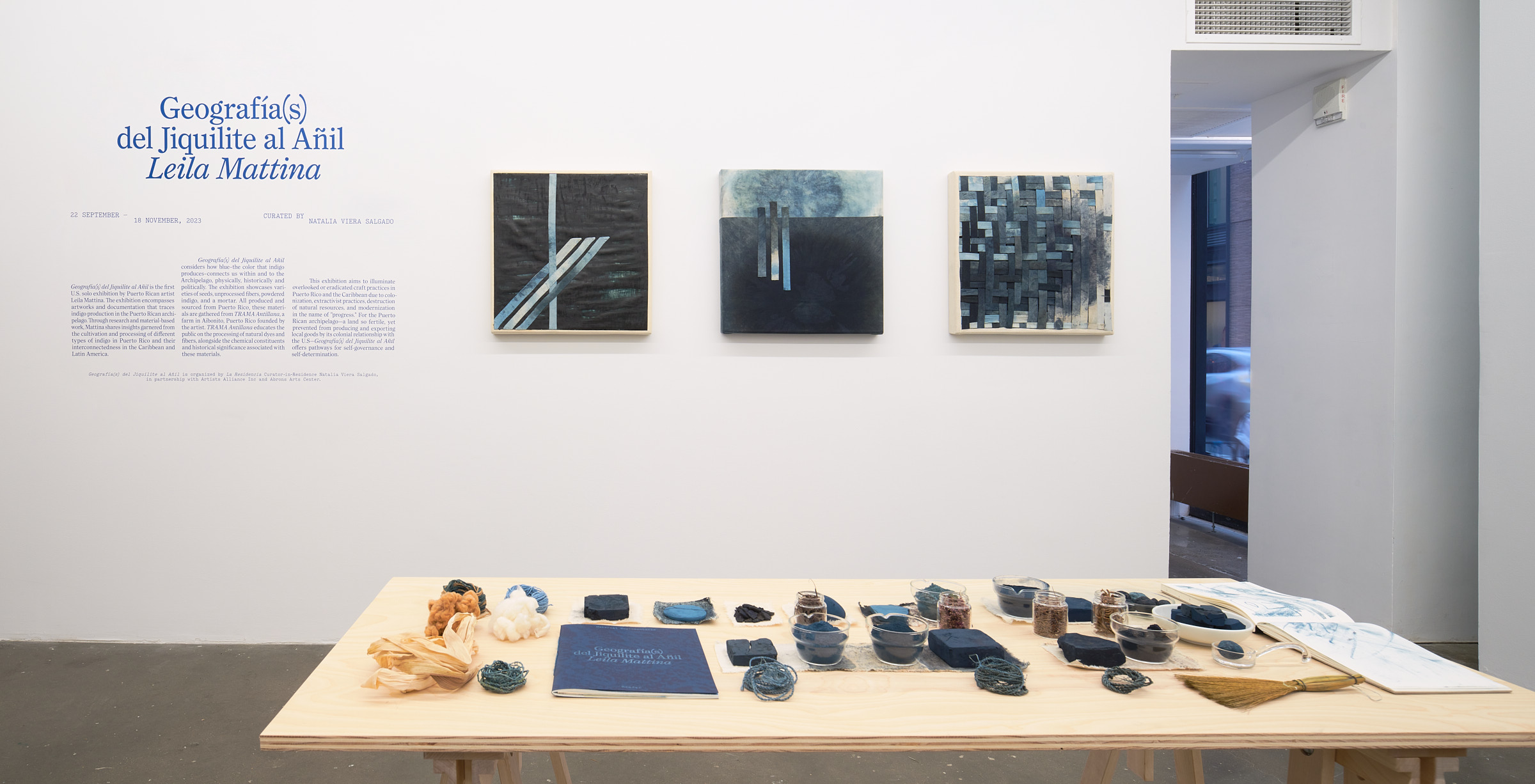
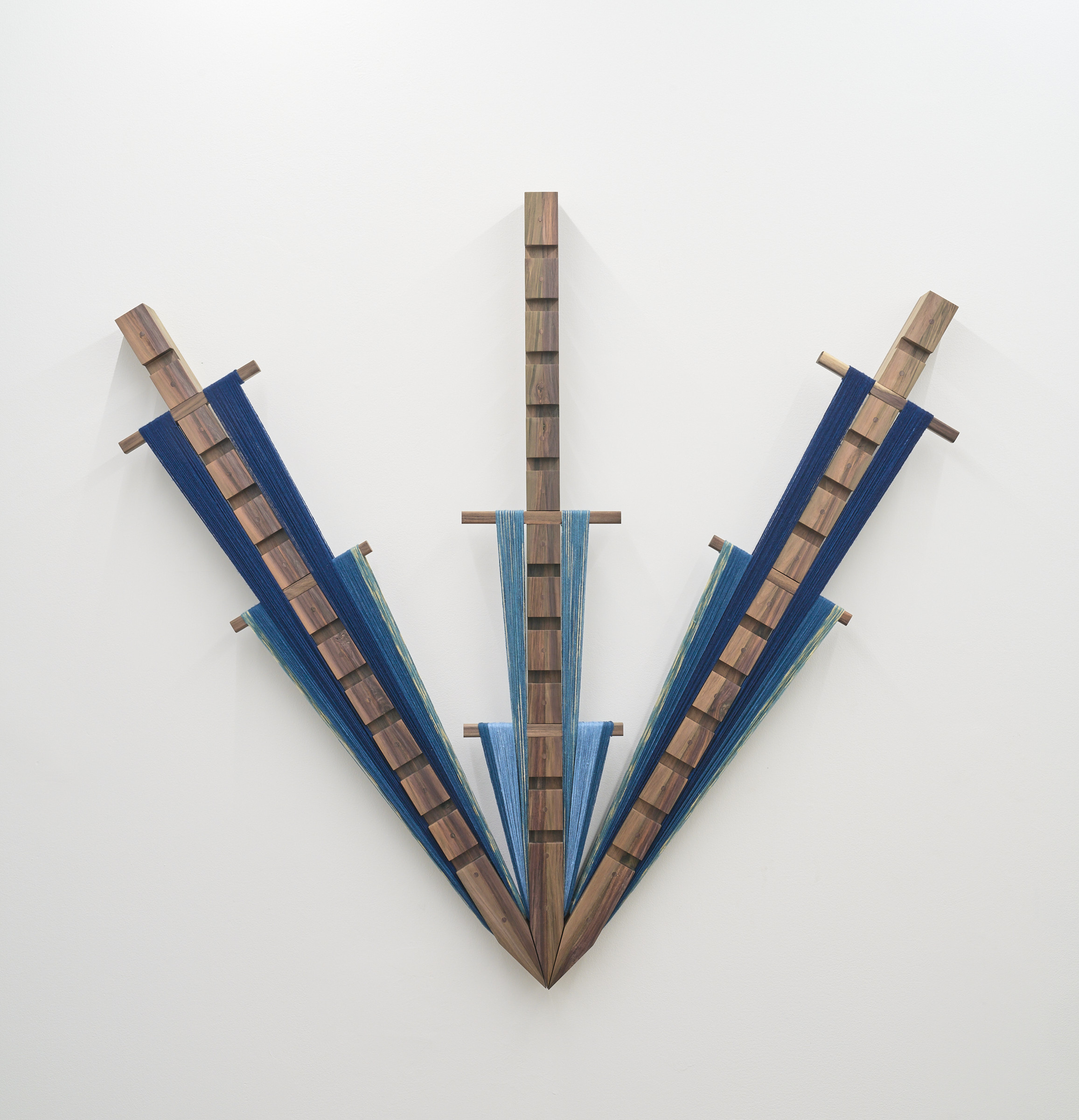
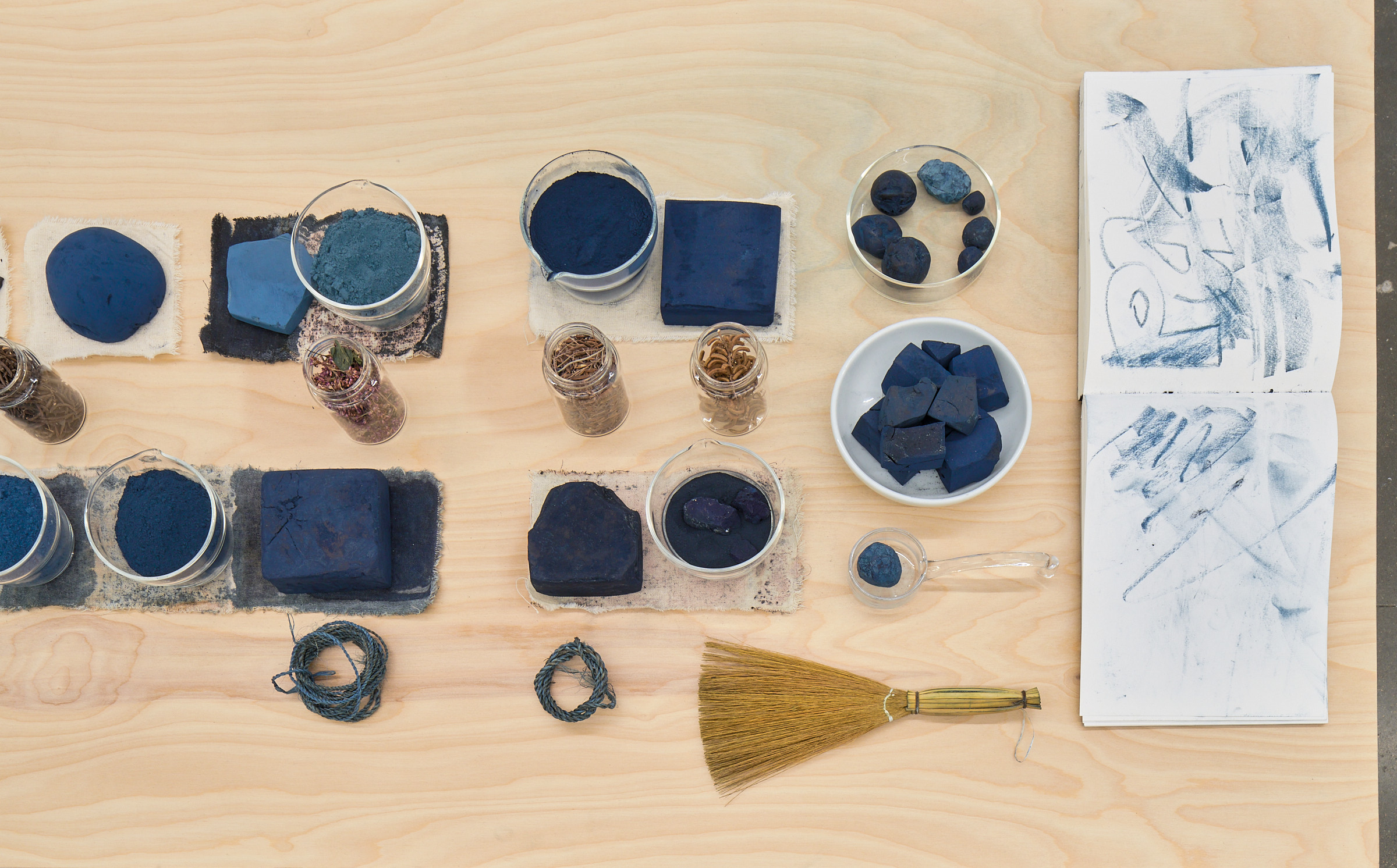
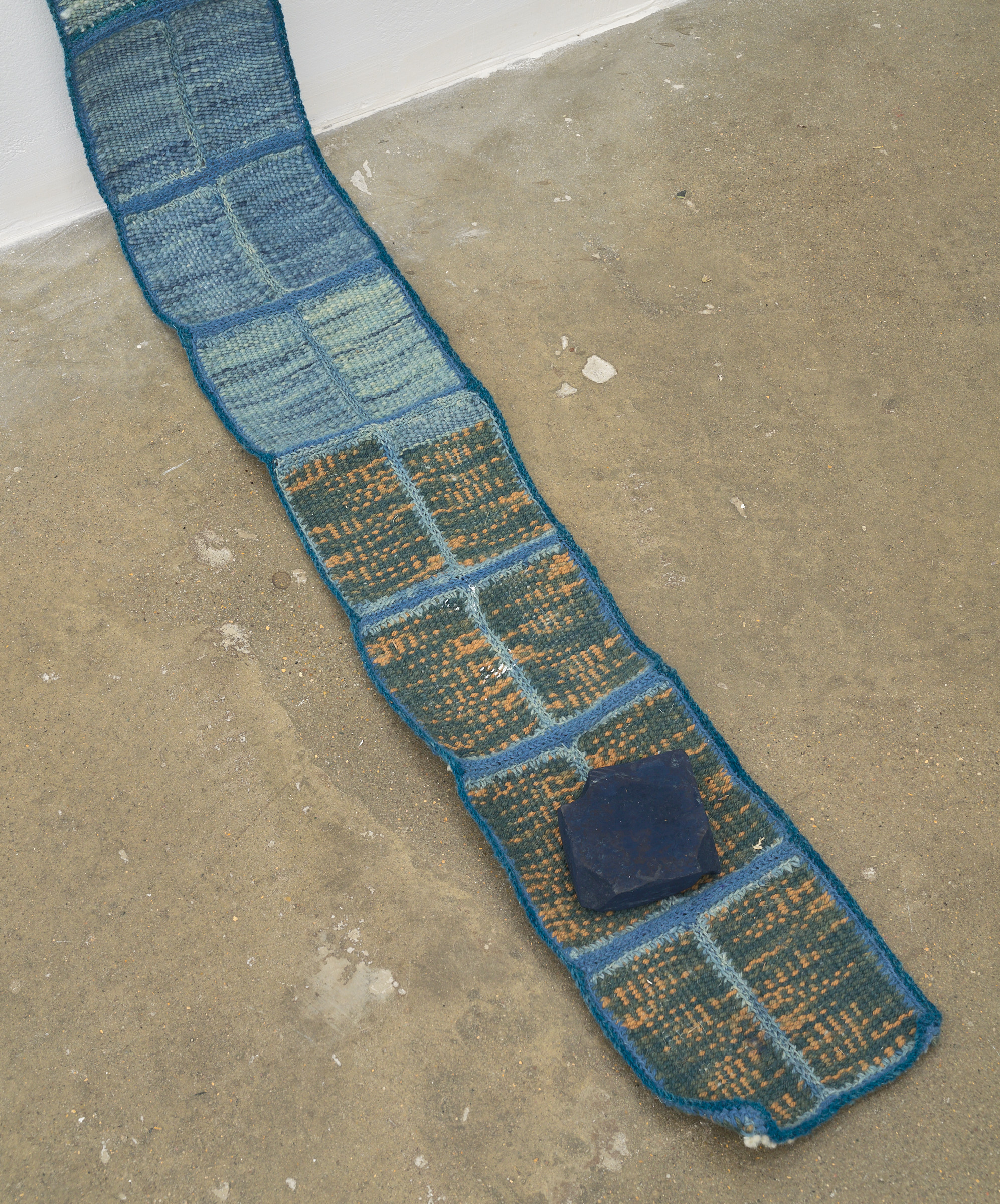
Geografía(s) del Jiquilite al Añil is the first U.S. solo exhibition by Puerto Rican artist Leila Mattina. The exhibition encompasses artworks and documentation that traces indigo production in the Puerto Rican archipelago. Through research and material-based work, Mattina shares insights garnered from the cultivation and processing of different types of indigo in Puerto Rico and their interconnectedness in the Caribbean and Latin America.
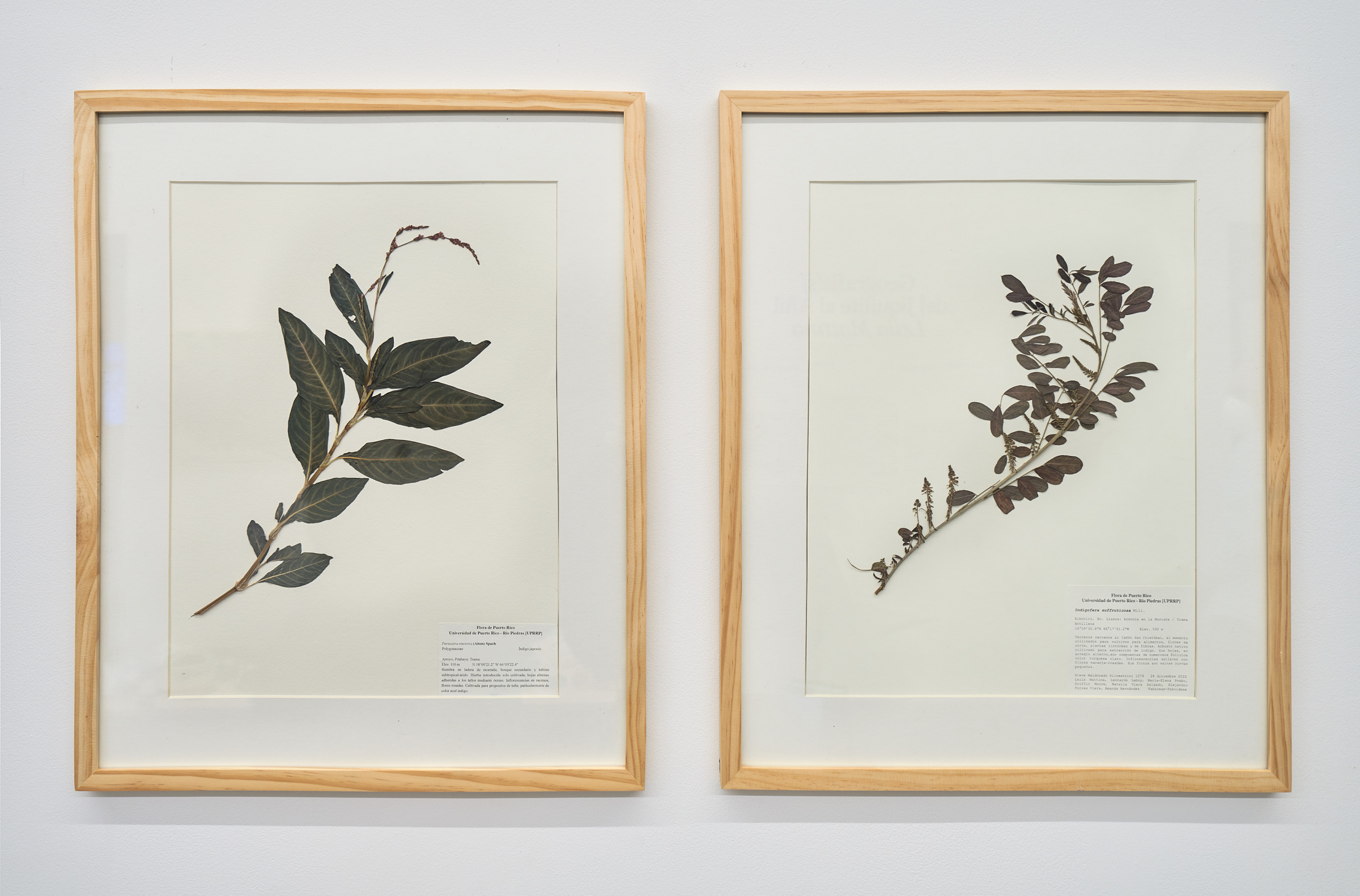
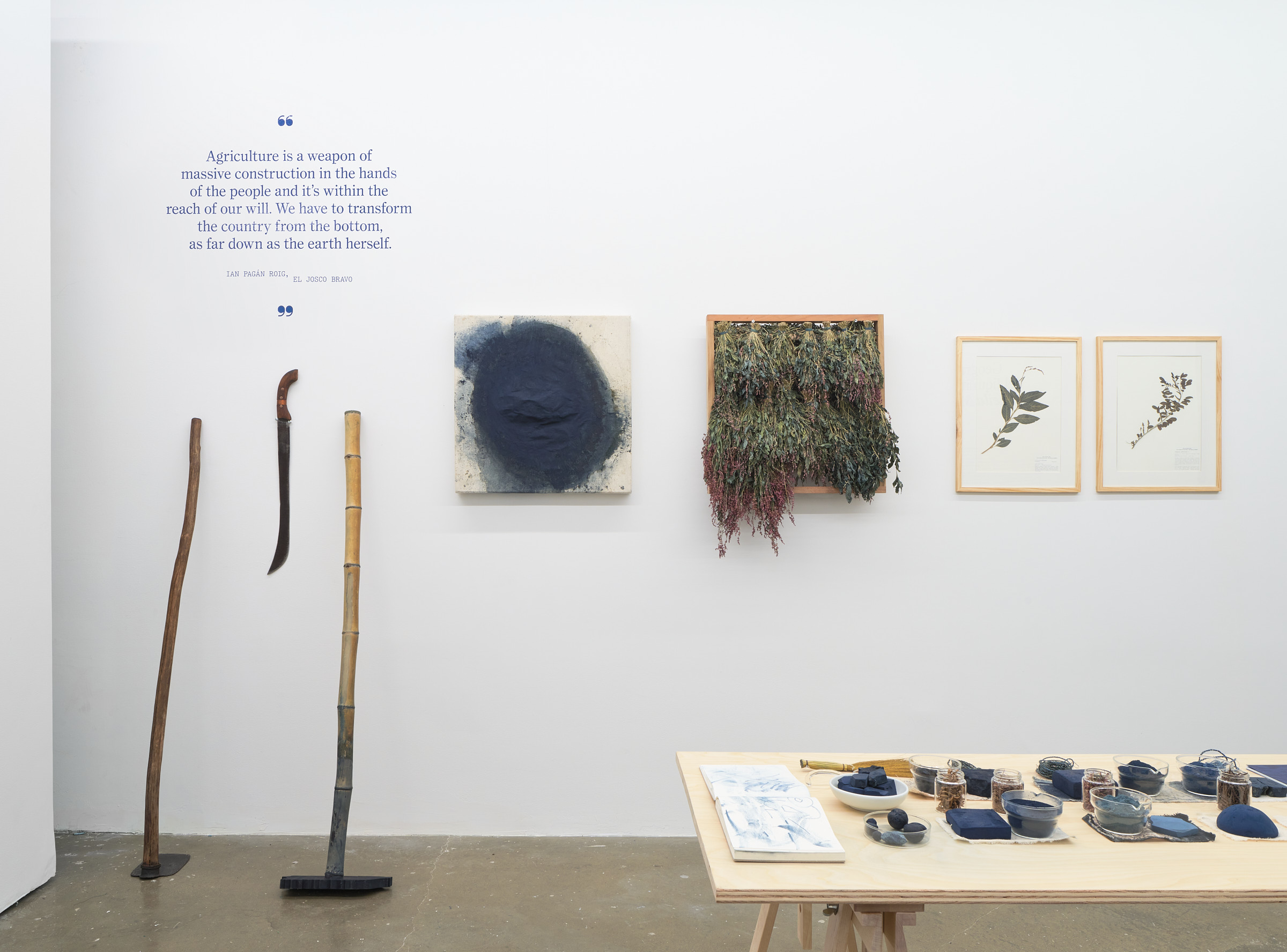
Geografía(s) del Jiquilite al Añil considers how blue–the color that indigo produces–connects us within and to the Archipelago, physically, historically and politically. The exhibition showcases varieties of seeds, unprocessed fibers, powdered indigo, and a mortar. All produced and sourced from Puerto Rico, these materials are gathered from TRAMA Antillana, a farm in Aibonito, Puerto Rico founded by the artist. TRAMA Antillana educates the public on the processing of natural dyes and fibers, alongside the chemical constituents and historical significance associated with these materials.
This exhibition aims to illuminate overlooked or eradicated craft practices in Puerto Rico and the Caribbean due to colonization, extractivist practices, destruction of natural resources, and modernization in the name of “progress.” For the Puerto Rican archipelago–a land so fertile, yet prevented from producing and exporting local goods by its colonial relationship with the U.S–Geografía(s) del Jiquilite al Añil offers pathways for self-governance and self-determination.
Geografía(s) del Jiquilite al Añil is organized by Natalia Viera Salgado and co-presented by Artists Alliance Inc., Abrons Arts Center, and Pública Espacio Cultural as part of La Residencia.
La Residencia is a collaborative residency partnership between Abrons Arts Center (New York, NY) and Pública (San Juan, PR) and made possible with funds provided by the Andrew W. Mellon Foundation.
Exhibition and publication design by Alejandro Torres Viera
Images courtesy of Brad Farwell
Leila Mattina
Exhibition
Dates: September 22-November, 2023
Cuchifritos Gallery + Project Space
Geografía(s) del Jiquilite al Añil is the first U.S. solo exhibition by Puerto Rican artist Leila Mattina. The exhibition encompasses artworks and documentation that traces indigo production in the Puerto Rican archipelago. Through research and material-based work, Mattina shares insights garnered from the cultivation and processing of different types of indigo in Puerto Rico and their interconnectedness in the Caribbean and Latin America.
Geografía(s) del Jiquilite al Añil considers how blue–the color that indigo produces–connects us within and to the Archipelago, physically, historically and politically. The exhibition showcases varieties of seeds, unprocessed fibers, powdered indigo, and a mortar. All produced and sourced from Puerto Rico, these materials are gathered from TRAMA Antillana, a farm in Aibonito, Puerto Rico founded by the artist. TRAMA Antillana educates the public on the processing of natural dyes and fibers, alongside the chemical constituents and historical significance associated with these materials.
This exhibition aims to illuminate overlooked or eradicated craft practices in Puerto Rico and the Caribbean due to colonization, extractivist practices, destruction of natural resources, and modernization in the name of “progress.” For the Puerto Rican archipelago–a land so fertile, yet prevented from producing and exporting local goods by its colonial relationship with the U.S–Geografía(s) del Jiquilite al Añil offers pathways for self-governance and self-determination.
Geografía(s) del Jiquilite al Añil is organized by Natalia Viera Salgado and co-presented by Artists Alliance Inc., Abrons Arts Center, and Pública Espacio Cultural as part of La Residencia.
La Residencia is a collaborative residency partnership between Abrons Arts Center (New York, NY) and Pública (San Juan, PR) and made possible with funds provided by the Andrew W. Mellon Foundation.
Exhibition and publication design by Alejandro Torres Viera
Images courtesy of Brad Farwell




2. LAS CARPETAS
Exhibition
Dates: January 14-March 14, 2021
Abrons Arts Center, New York
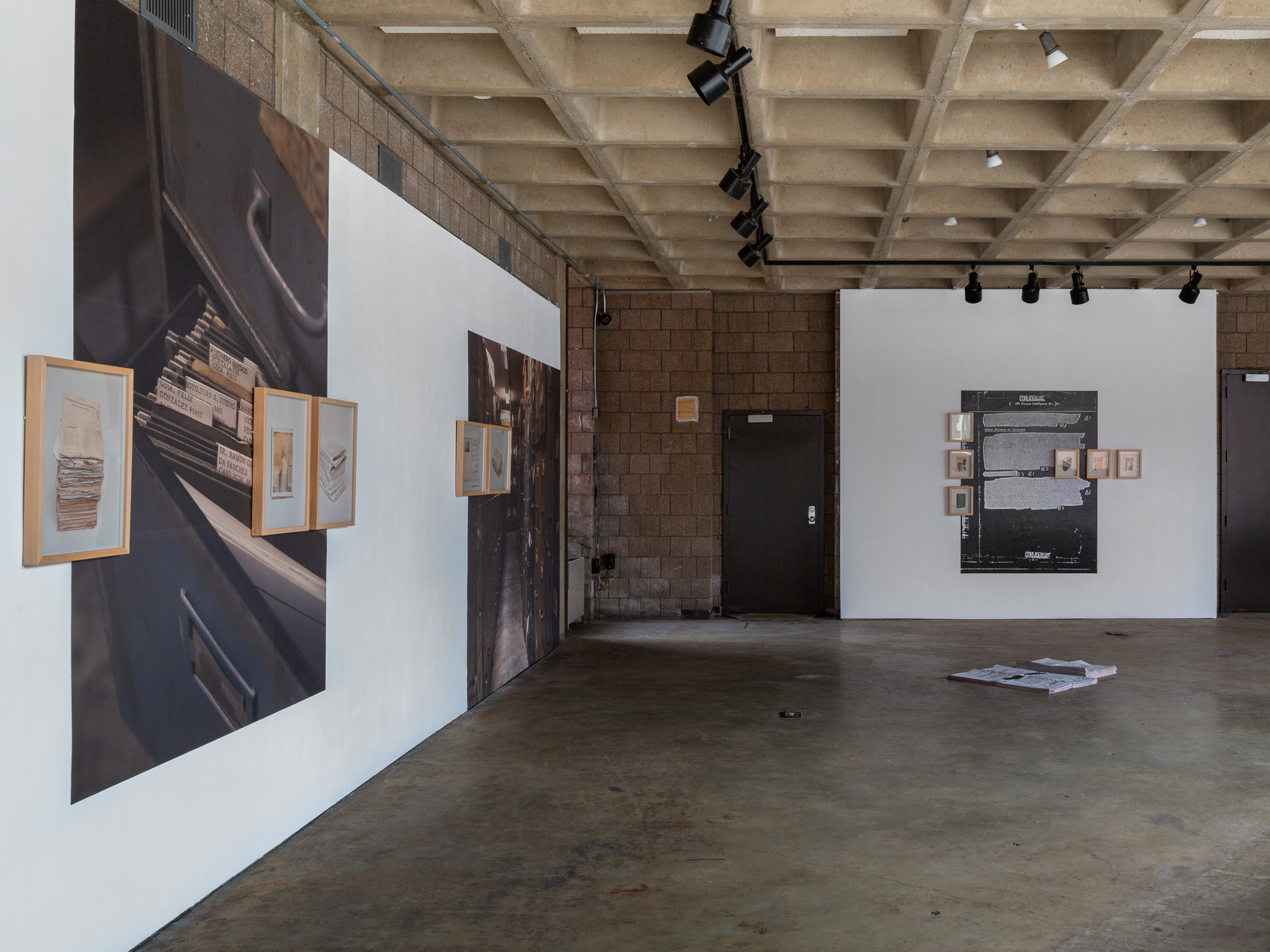
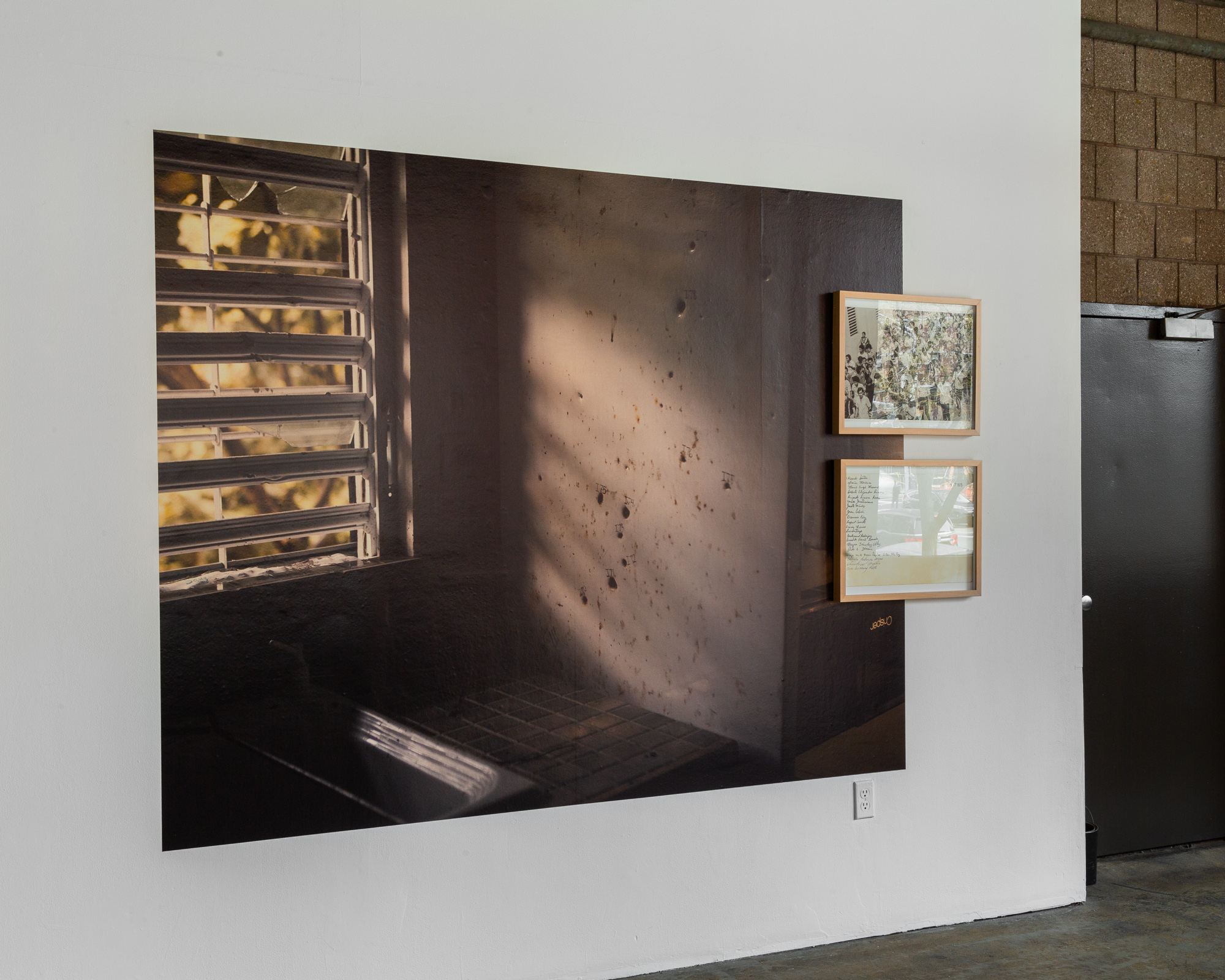
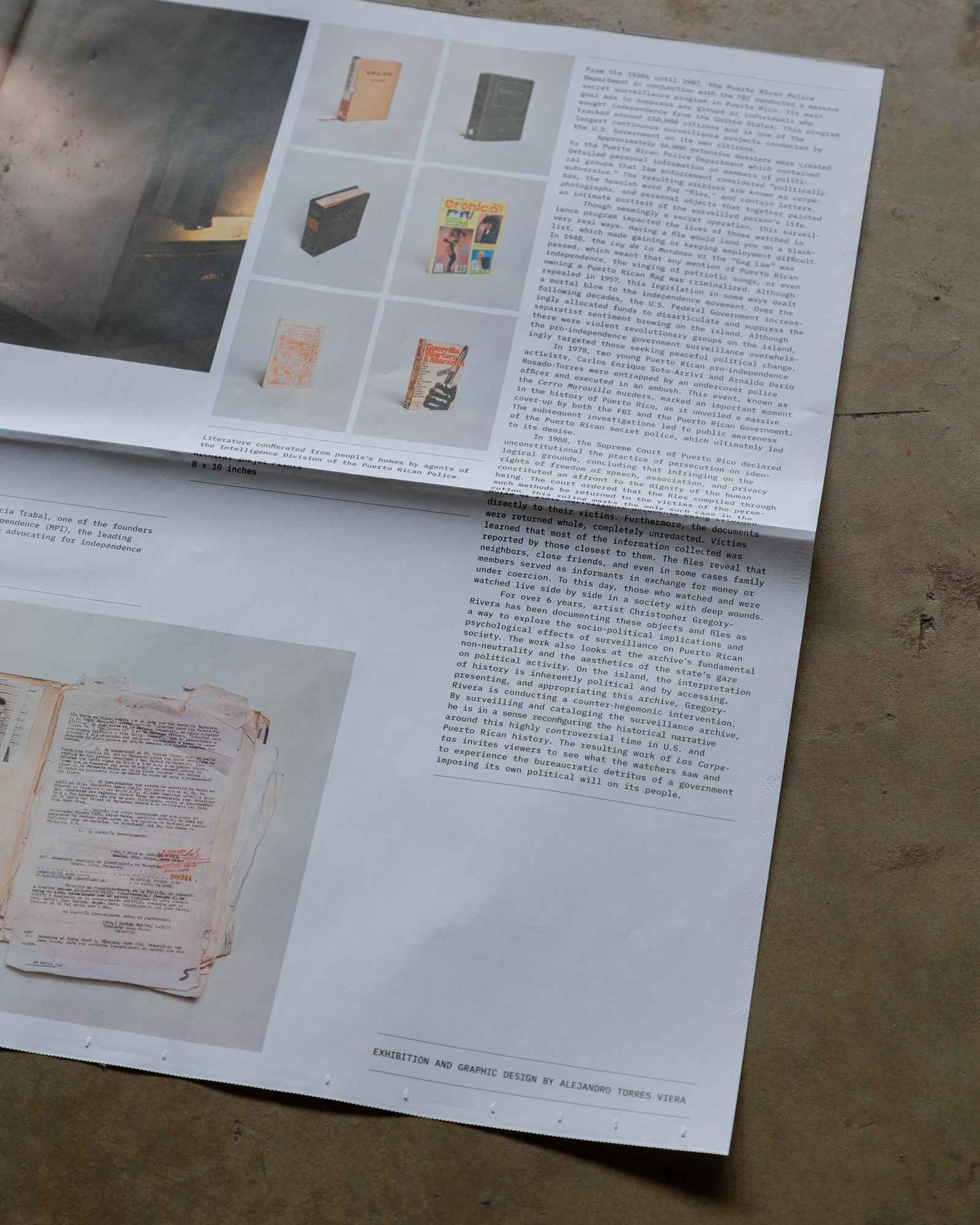
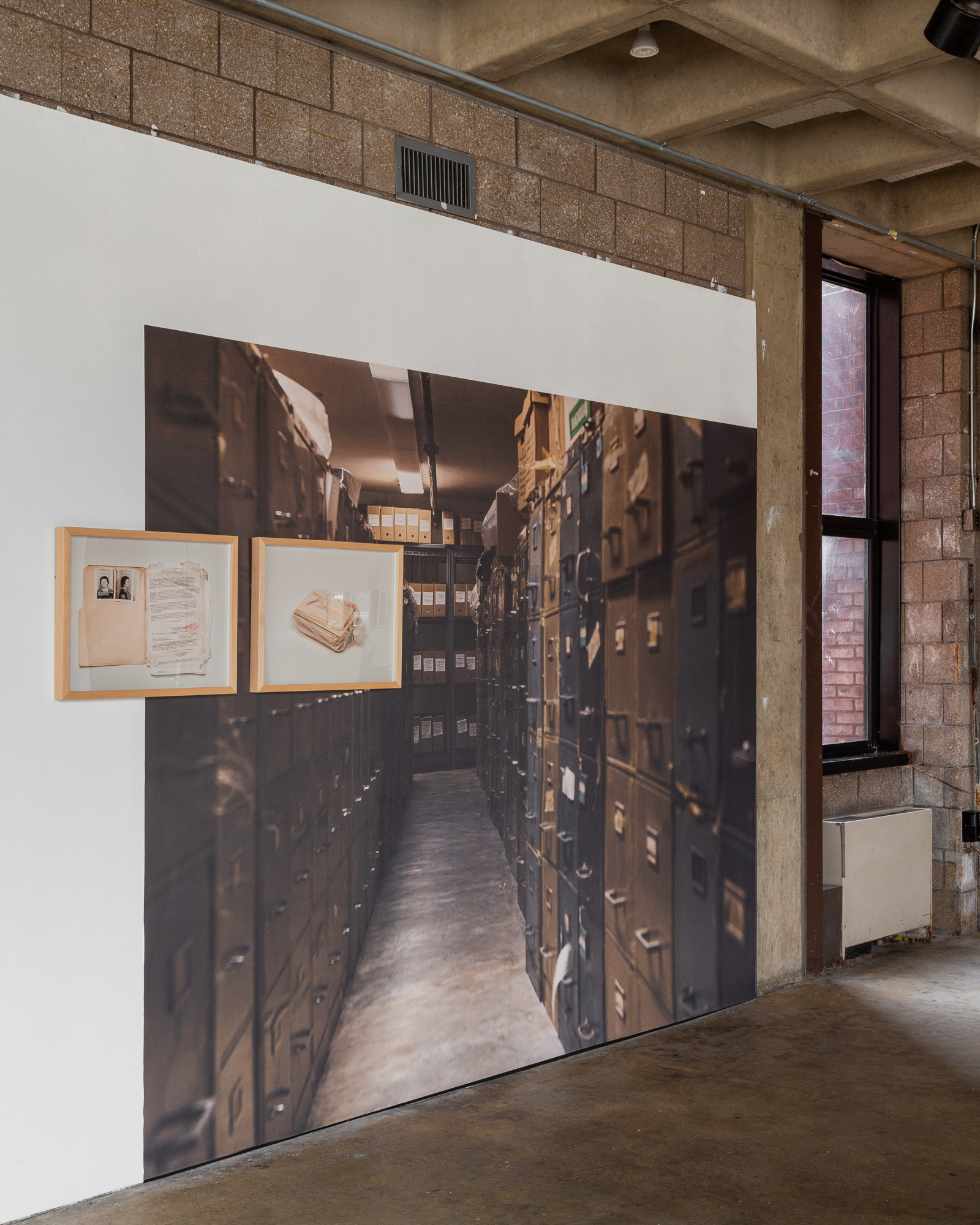
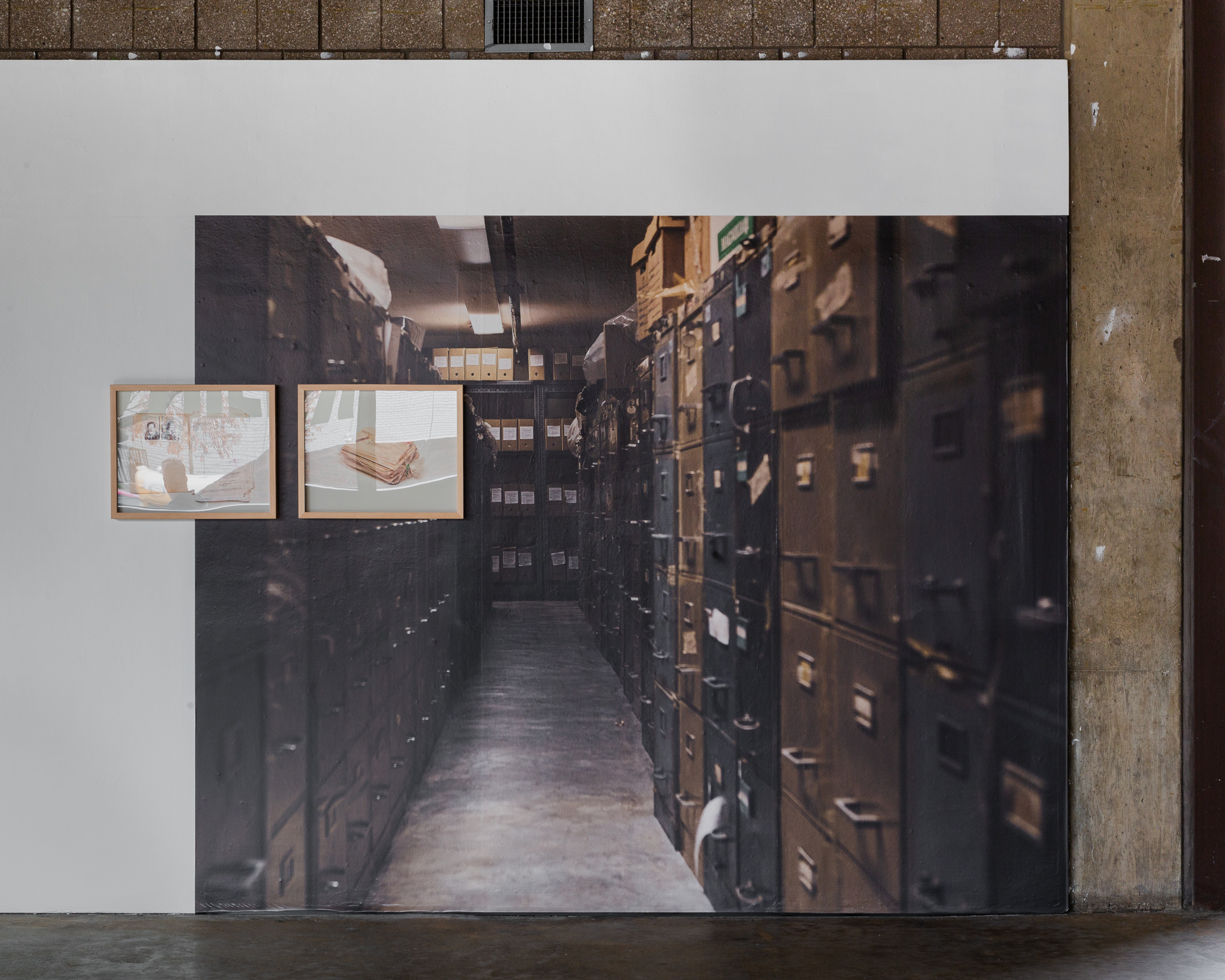
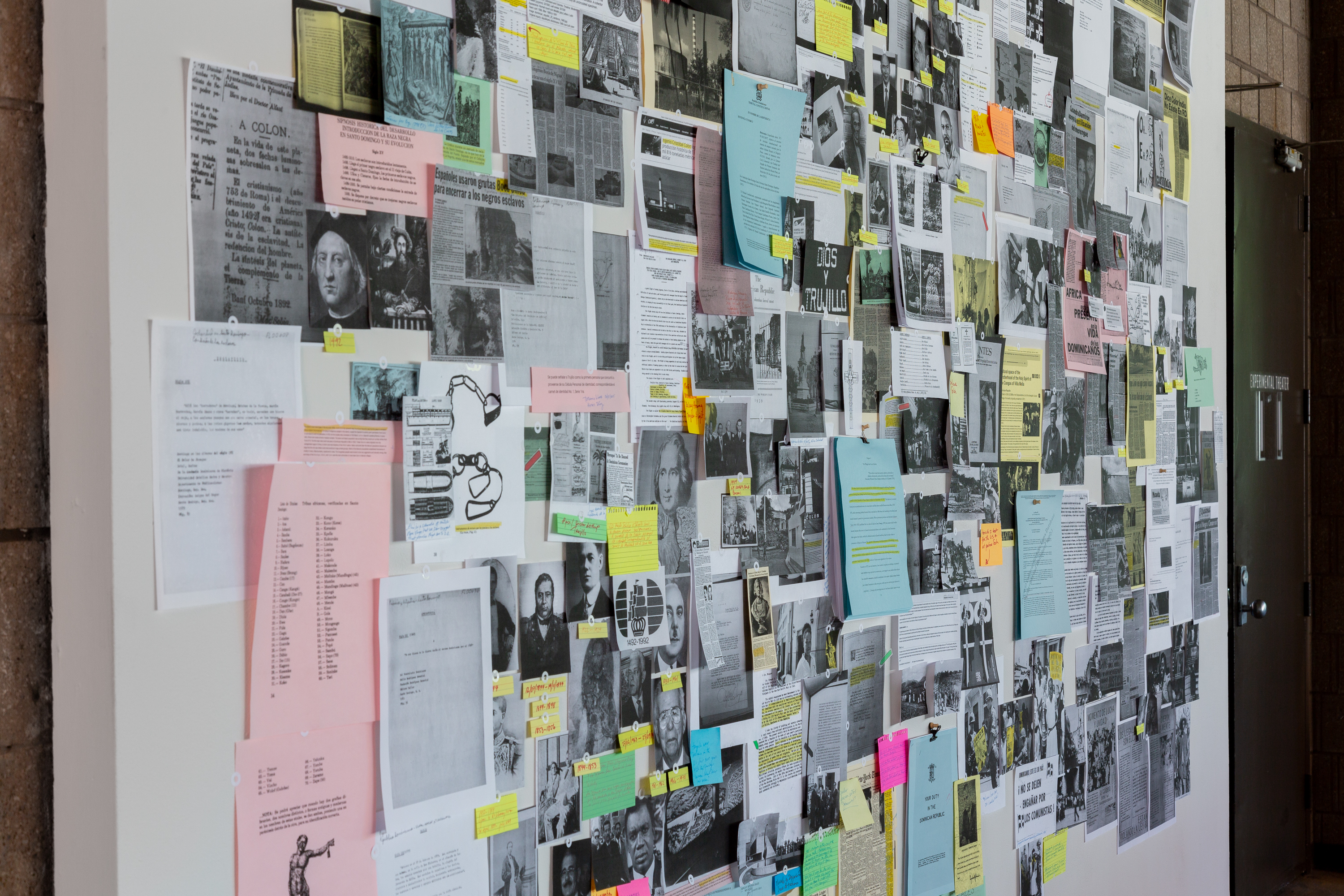
From the 1930s until 1987, the Puerto Rican Police Department in conjunction with the FBI conducted a massive secret surveillance program in Puerto Rico. Its main goal was to suppress any groups or individuals who sought independence from the United States. This program tracked around 150,000 citizens and is one of the longest continuous surveillance projects conducted by the U.S. Government on its own citizens.
Exhibition and publication design by Alejandro Torres Viera
Images courtesy of Daniel Terna









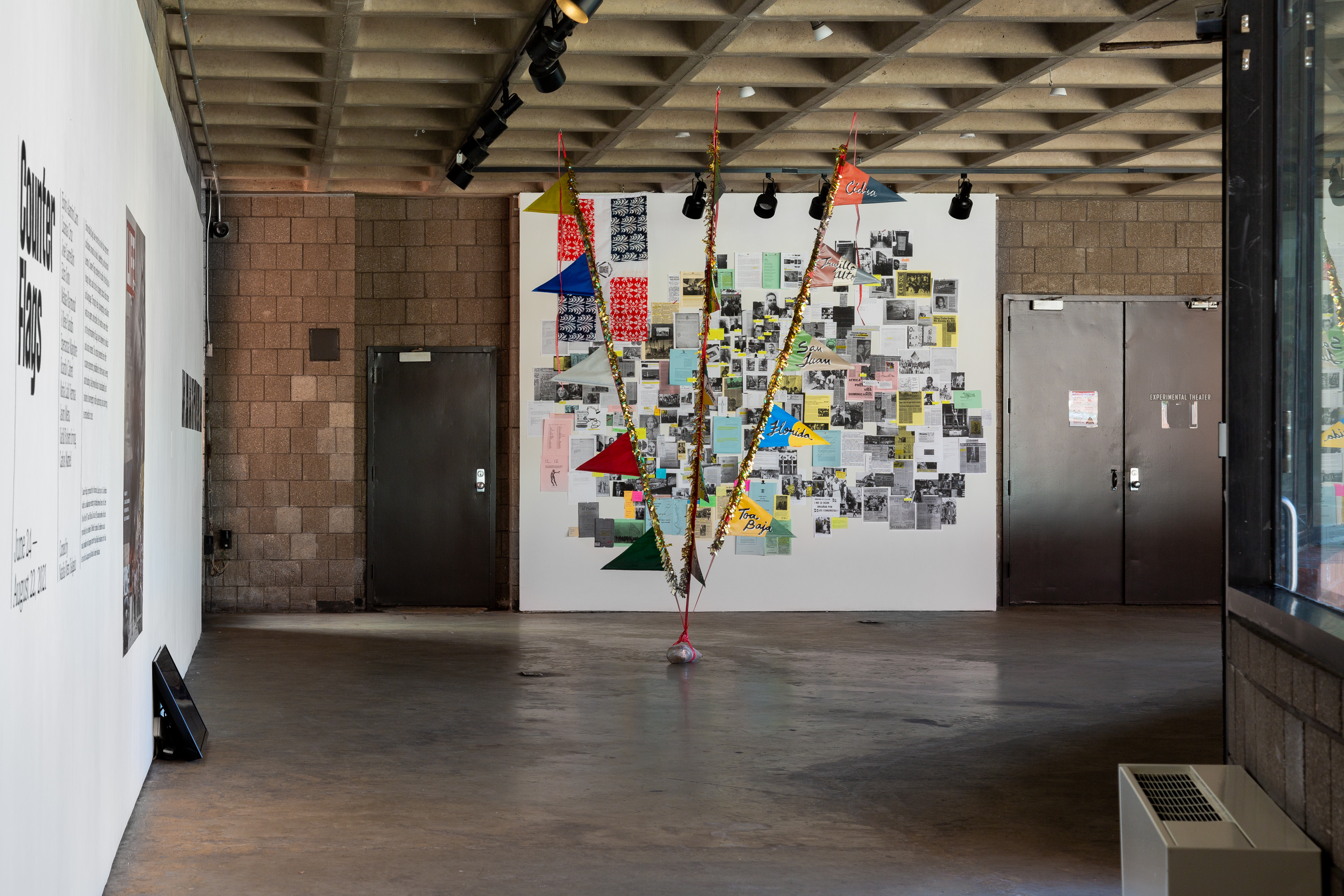
COUNTERFLAGS
Exhibition
Dates: June 24-August 22, 2021
Abrons Arts Center, New York
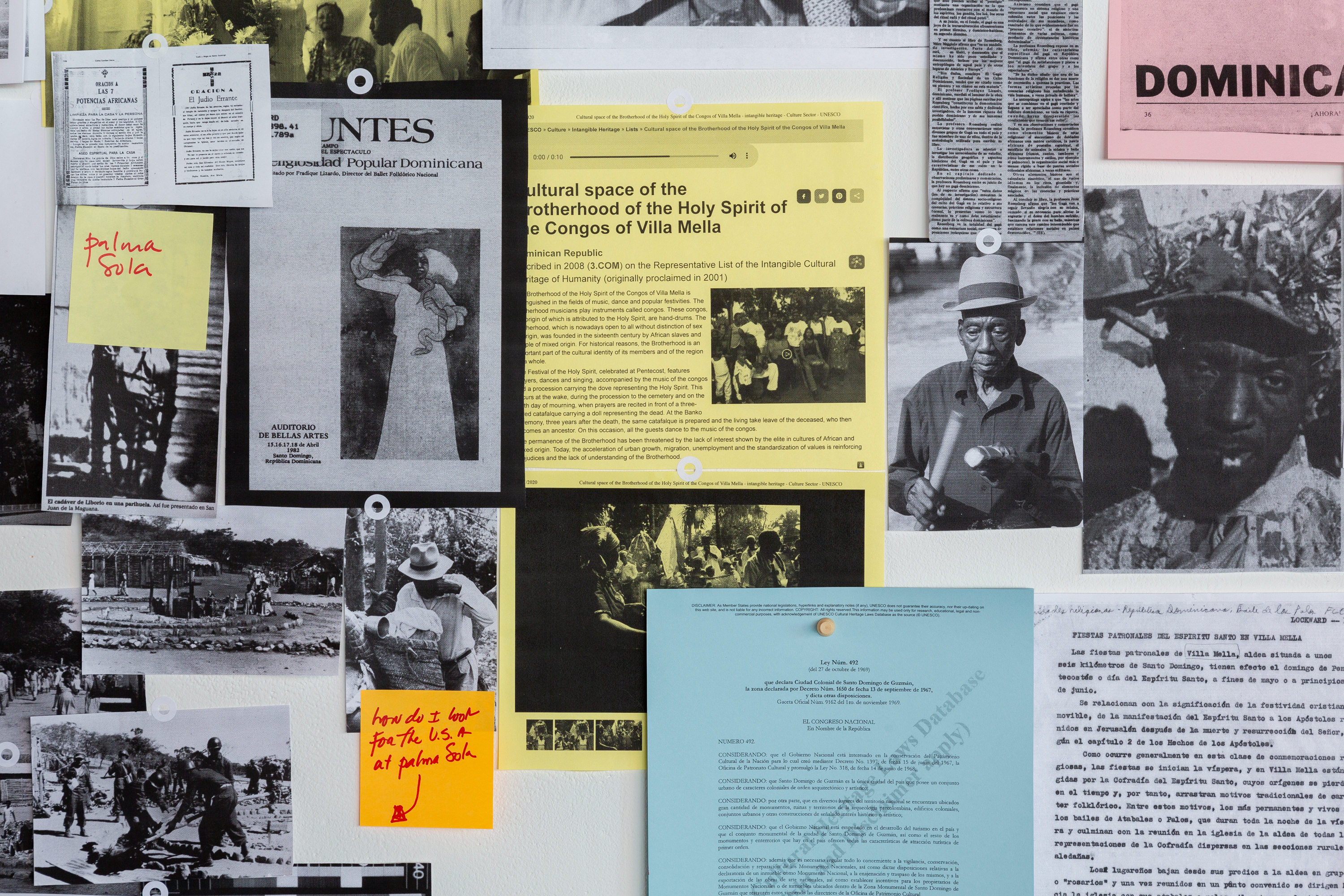
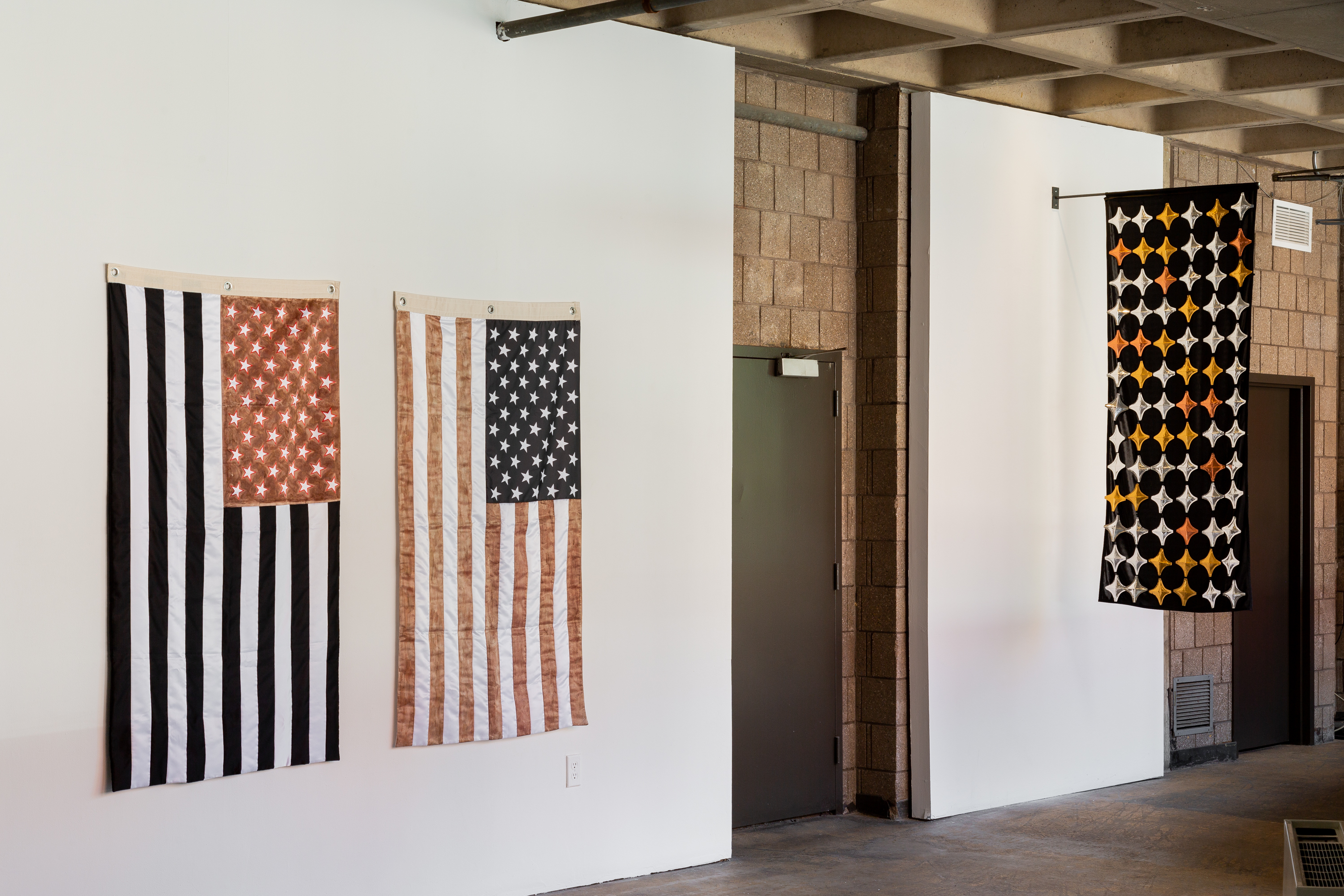
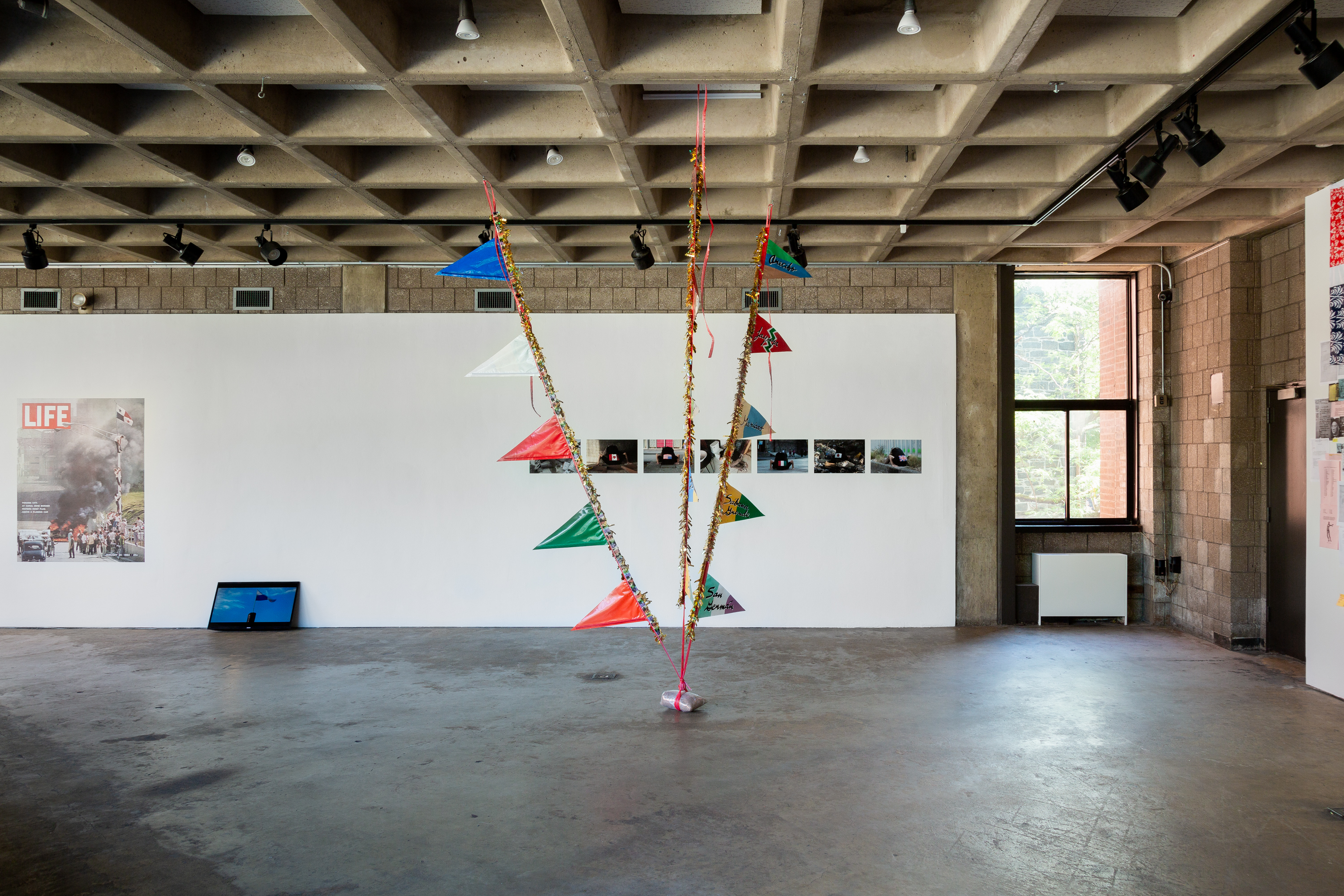
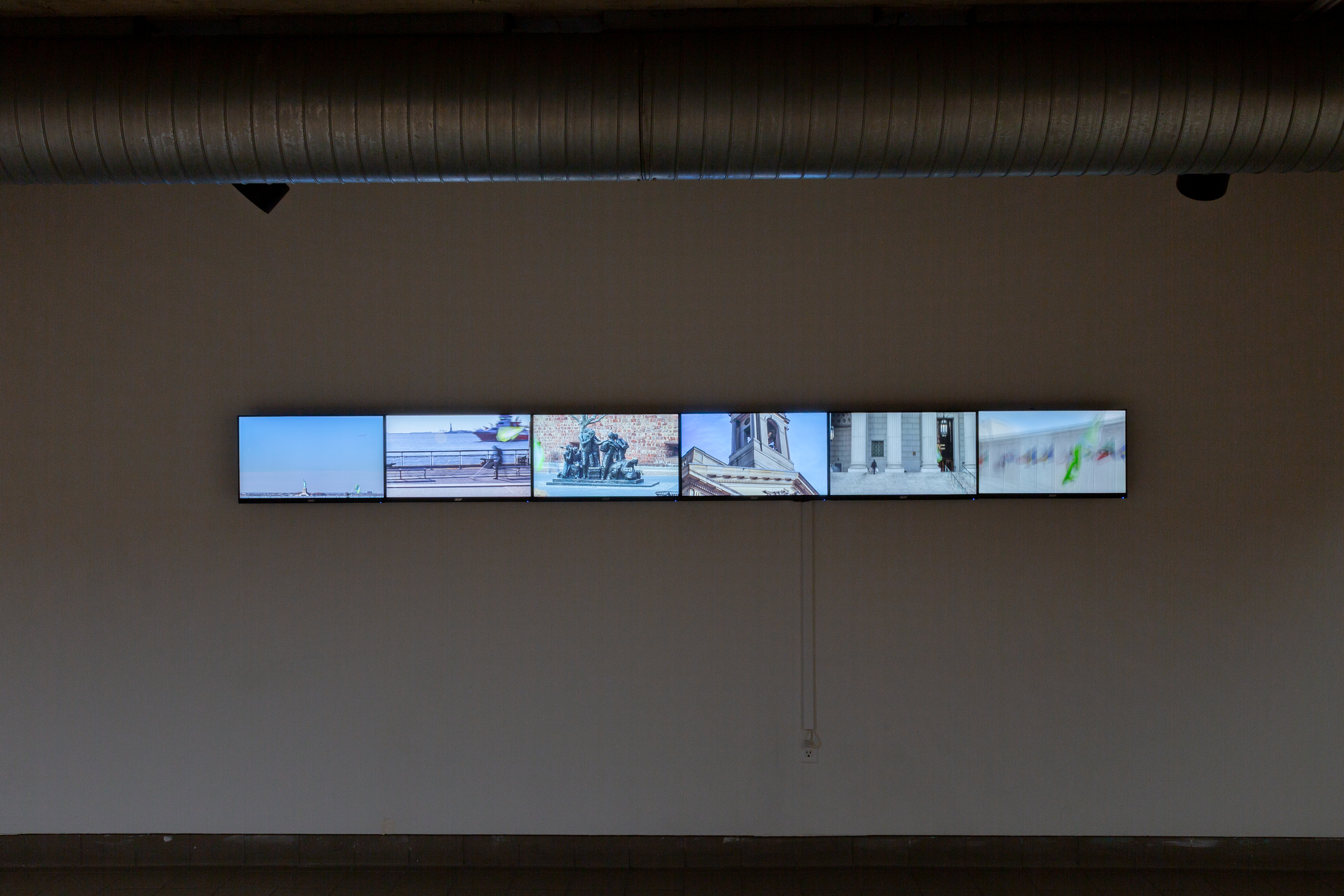
Counter Flags reflects on the performativity and choreographed gesture of creating flags. Beyond ideas of nationalism(s), this exhibition explores the relationships to place, historical narratives, identities, borders, language, and the utility of this object. How can the design and presentation of flags be acts of resistance to colonial paradigms?
This exhibition offers counternarratives around these ideas and features work by Lizania Cruz (Dominican Republic), Kahlil Robert Irving (USA), Edra Soto (Puerto Rico), Carlos Martiel (Cuba), José Castrellón (Panama), Jason Mena (Puerto Rico) Melissa Raymond (Canada), René Sandín (Puerto Rico), María Lulú Varona (Puerto Rico), Ricardo Cabret (Puerto Rico), Esperanza Mayobre (Venezuela), and Esvin Alarcón Lam (Guatemala).
Exhibition design by Alejandro Torres Viera
Images courtesy of Daniel Terna
Exhibition
Dates: June 24-August 22, 2021
Abrons Arts Center, New York
Counter Flags reflects on the performativity and choreographed gesture of creating flags. Beyond ideas of nationalism(s), this exhibition explores the relationships to place, historical narratives, identities, borders, language, and the utility of this object. How can the design and presentation of flags be acts of resistance to colonial paradigms?
This exhibition offers counternarratives around these ideas and features work by Lizania Cruz (Dominican Republic), Kahlil Robert Irving (USA), Edra Soto (Puerto Rico), Carlos Martiel (Cuba), José Castrellón (Panama), Jason Mena (Puerto Rico) Melissa Raymond (Canada), René Sandín (Puerto Rico), María Lulú Varona (Puerto Rico), Ricardo Cabret (Puerto Rico), Esperanza Mayobre (Venezuela), and Esvin Alarcón Lam (Guatemala).
Exhibition design by Alejandro Torres Viera
Images courtesy of Daniel Terna
3. Female Migrations
 Design by Alejandro Torres Viera & Eduardo Palma
ARTISTS:
Karina Aguilera Skvirsky
Amanda Gutiérrez
Esperanza Mayobre
Simone Couto
CURATORS:
Se habla español (SHE)
La Nacional
239 W 14th St New York, NY 10011
Wednesdays July 10, 31,
August 7 & 14, 2019
Female Migrations is a program curated by Se habla español (SHE) that invites four Latin American artists who address the female perspective of migration. The program,a series of four events which will take place at La Nacional, presents site-specific works by Karina Aguilera Skvirsky, Simone Couto, Amanda Gutiérrez, and Esperanza Mayobre. How does the female gaze experiences migration? How is the journey of men different from the forgotten and the visceral experience of migrating as a woman? Female Migrations calls attention to the historic dismissed role and view of women in this current and dire issue, through the personal experiences and artistic practices of the invited artists.
July 10th: Karina Aguilera Skvirsky
The Perilous Journey of María Rosa Palacios and How to Build a Wall and Other Ruins: PAPERS. Screening and live performance. The Perilous Journey of María Rosa Palacios is a hybrid documentary-fictional tale to pay homage to the artist’s Afro Ecuadorian’s great grandmother’s story of migration. How to build a wall and other ruins: PAPERS absorbs the debates around the engineering feats of Inca architecture. The participatory performance links popular narratives concerning the persistence of pre-Columbian identity with current discourses about borders, migration, and nationhood.
July 31st: Amanda Gutiérrez
Flâneuse>La caminanta. VR installation
Flâneuse> La caminanta is a performative documentary of soundwalks with female-identified participants in the public space. The title of the work emphasizes a missing word in Spanish that describes women as wanderers. Gutiérrez’s work calls out how female-identified bodies can safely perceive their autonomy as walkers. The performance will incorporate a collaborative work including sonic explorations and choreographic gestures to make a stand to the lack of inclusiveness of these bodies in public space.
August 7th: Esperanza Mayobre
Domingo familiar (It’s not Sunday, but can you play domino with me?) Gathering. Mayobre addresses Venezuela’s migration crisis by opening a space for togetherness. She recreates home inviting the public to play dominoes in a familiar setting recalling her aunt’s experience as a domino champion. Rather than confrontation, Mayobre seeks an environment that allows sharing, humor, and relief to humanize the current crisis.
August 14th: Simone Couto
2 x 2 Installation
2 x 2, a multimedia installation by Simone Couto, is a dream-like collection of immigrant biographies that is also the biography of a city from two time periods. After researching La Nacional’s archive, focusing on its membership cards from 1868 to 1995, the artist paired female immigrants whose 2 x 2 pictures are missing with female immigrants currently living in NYC. They were asked to write a personal letter to one of the former members and reconstruct their identities while exploring their own by blending real and invented stories.
BIOS
Se habla español is a curatorial collective established in NYC in 2017, which is comprised of Noelia Lecue Francia, María Alejandra Sáenz García, Andrea Valencia Aranda, and Natalia Viera Salgado, from Spain, Colombia, Mexico, and Puerto Rico respectively. As Spanish speakers and curators, the collective works on artistic and social projects that expand the limits of language, addressing migration, identity, human rights, and memory.
Karina Aguilera Skvirsky (Ecuador) is a multidisciplinary artist that works mainly with photographs, video, and performance. She is an Associate Professor in the Department of Art at Lafayette College, Easton PA. She has participated in various exhibitions and biennials including the Cuenca Biennial (2016) and the São Paulo Biennial (2010). She is currently working on “How to build a wall and other ruins,” with the support of Creative Capital. Her work can be seen in fairs such as ARCO Madrid, NADA Miami, or PARC Lima and has been included in museum collections like Urbes Muatantes, The Whitney Museum of American Art, SFMOMA, and the Art Institute of Chicago.
Esperanza Mayobre (Venezuela) is a Brooklyn-based artist that grew up in Caracas, Venezuela. She is a recipient of the Smithsonian Artist Research Fellowship, Lower East Side Printshop Keyholder Residency, International Studio and Curatorial Program, Smack Mellon Studio Program, the Lower Manhattan Cultural Council Workspace (LMCC), and the Skowhegan School of Painting and Sculpture. She has exhibited at the Museum of Fine Arts, Boston; La Caja Centro Cultural Chacao; The Bronx Museum of the Arts; Queens Museum; MIT; BRIC; Art Museum of the Americas; Museum of Art of El Salvador; and Museo Sívori. Her work has been featured in Artishock, Bomb, The Brooklyn Rail, Hyperallergic, Creative Time Reports, and Art in America.
Amanda Gutiérrez (Mexico) explores the experience of home, belonging, and cultural identity by bringing into focus details of everyday practices. She graduated in performance and new media by The School of the Art Institute of Chicago, she is currently a Ph.D. student in the University of Girona, in the Doctoral Programme in Humanities, Heritage, and Cultural Studies. She has exhibited internationally in museums, and contemporary art galleries, such as The Windor Gallery; Khiasma Gallery; Move Forward Festival; Liverpool Art Biennial; Ex Teresa Arte Actual; and Action Art Actuelle. She is a recipient of the National System of Art Creators from Mexico, The Fellowship Competition 2007, and CAAP 2008, and it was a nominee for Artadia Art Chicago 2009.
Collaborators Performance Flâneuse>La caminanta
Viv Corringham is a British vocalist and sound artist, active since the late 1970s. Her work includes concerts, soundwalks, radio works and multi-channel installations. She is interested in exploring people’s sense of place and the link with personal history and memory. She worked with Pauline Oliveros for many years and holds a teaching Certificate in Deep Listening. She facilitates workshops in listening and sounding, recently in Hong Kong, London, Bangalore, New York, Kolkata and Manila. She received two Composer Fellowships from the McKnight Foundation, through American Composers Forum. Her work has been presented in twenty five countries on five continents. Vivcorringham.org
Julia Santoli is a multimedia artist based in New York. Her work synthesizes image, gesture, and sound while navigating memory and presence how past experience manifests in the present as ruins, and how these traces transform through mediation to/from the body within the ghost-nature of sound. Her explorations take the form of vocal performance and body-generated audio feedback, sonic installation, video, and prints. She completed her BFA from the School of Visual Arts (Visual and Critical Studies), and has presented performative and visual work throughout New York.
La Nacional Since its founding in 1868, the primary objective of the La Nacional is to “promote, encourage and spread the spirit of fraternity and solidarity among Spanish and Hispanic-American residents of this country.” In those early years, the organization provided Spaniards with food, shelter, healthcare, and afterlife services, while functioning as a home away from home. The Spanish Benevolent Society still remains committed to assisting those who come from Spain to navigate the urban landscape of New York City.
Support How to build a wall and other ruins: PAPERS is made possible with funds from Creative Engagement or Creative Learning, supported by the New York City Department of Cultural Affairs in partnership with the City Council and administered by LMCC.